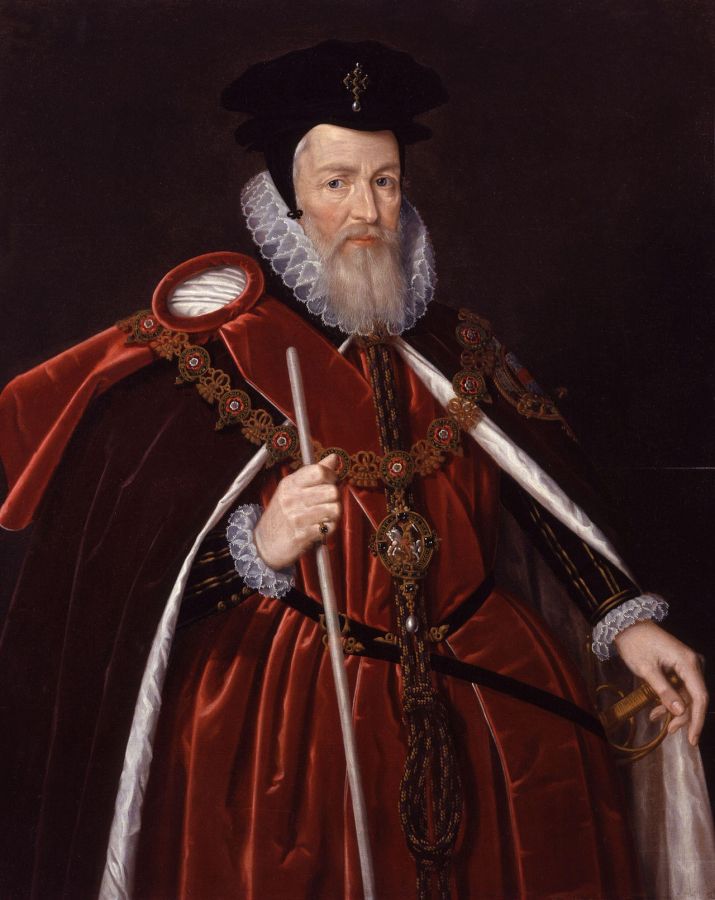
There’s a lovely little scene in Hamlet where the pompous, doddering Danish courtier Polonius is sending his beloved son Laertes off to study in Paris. Polonius is not known for his deep insight and yet he offers Laertes some practical and timeless parting wisdom that culminates in the following: “This above all: to thine own self be true, / And it must follow, as the night the day, / Thou canst not then be false to any man.”
Polonius has become an inside joke in my family. Like fathers before me, I feel some primal paternal desire to share my hard-earned wisdom with my progeny. So, I am constantly offering advice to my two sons and daughters, whether they are willing to receive it or not. I even had my own embarrassing Polonius moment a few years ago: sending our son an email full of advice for his first year away at university.
As dramatists know so well, people’s daily actions flow from a complex stew of emotions and motivations: pride, fear, shame, anger, guilt, jealousy, ambition, love, desire. Each of these has many variations. Take desire, for instance. People have a desire to belong, to become wealthy or simply to survive. To improve their health, to protect their family, to help others, to make the world a better place. And yet amidst all these, the desire to be true to oneself is one of the most powerful urges, to “become who you are,” in the words of the philosopher Nietzsche.
Along the way to being true to themselves, people make major, sometimes life-altering decisions. People enter into and leave friendships, relationships, marriages, jobs, and countries. In many cases, being true to oneself involves devotion to a cause. People put themselves at risk to fight for human rights: the right to ride a bus, join a club, to marry or not to marry, to be seen and recognized – and not be persecuted – simply for who they are.
The desire to pass on my paternal wisdom is a trait I come by honestly. My father had it too, along with a deep desire to be true to himself. When he was in his late twenties, he walked away from what would have been his wedding. Not weeks before but the day of. All the guests were there. The bride was waiting at the altar. He had had severe misgivings for several weeks. He had tried to bury them but with just minutes to go before taking his vows, he got up and left. The jilted bride’s brothers followed him and beat him up.
Being true to thine own self sounds pretty simple, but is easier said than done. In reality, all of us are continually making compromises. Our values get tested in small ways every day. We might be friends with someone who holds extreme political opinions. Do we remain friends? We might belong to a group that is approaching a major issue in a way that runs counter to our deeply held beliefs. Do we stay or leave? Many people spend their whole lives struggling to reconcile what they want with what they are supposed to want.
These questions about being true to oneself were on my mind with the recent publication of my new novel The Great Goldbergs. A young working-class boy is befriended by the golden-haired son of a billionaire. But as the young working-class boy grows up and realizes that all that glitters is not gold, he must reckon with how far he is willing to go to remain in a world of shining privilege.
Literary novelists often have a core theme they keep returning to in book after book, like homing pigeons. When I started writing fiction, I didn’t have a clear idea of my major theme: I was just trying to figure out how to write a novel. Unlike many other activities, art doesn’t come with an instruction manual. Each new book is a perilous journey: you’re literally making it up as you go along. But by the time of my second novel, The Art of Being Lewis, I had figured out my theme: being true to yourself in the face of fear and temptation. My characters are always struggling to overcome the constraints of their upbringing, personality, and familial and social expectations while also resisting the siren calls of wealth, power, and status. They are desperately trying to live by Polonius’s advice.
For writers, the struggle to be true to oneself often plays out in the no man’s land between art and commerce. I happen to write literary fiction, which I recently read accounts for about two per cent of the book market in Canada. Literary novelists want to be true to our art, to our vision. We also desperately want to be read. But art and commerce rarely go together. A novelist often has to decide whether to pursue critical or commercial success. Sometimes the plan changes based on how the world responds.
John Grisham started off wanting to be another Faulkner and wrote a first novel about race and capital punishment in the American South. He travelled the US selling copies out of the trunk of his car. But when the movie rights to his second novel The Firm netted him $600,000, he suddenly became a popular novelist, and never looked back.
With each new novel, there is always the temptation to try to write something that will be popular, that will sell, that will be as entertaining and unputdownable as the best mystery or thriller. Luckily for me and my family, this temptation is not borne out of economic necessity. I have an interesting and rewarding career outside of writing, so I don’t have to try to make a living by my pen. Thank goodness. But the temptation to write something popular is always there.
I’ve tried to write more than one mystery or thriller, but none has ever been good enough to publish. Instead, I settle for including elements of mystery and suspense in every novel I write about the quest to be true to oneself.
For most of us, it’s a journey that never ends.

 Daniel Goodwin